What happens when a bank needs to freeze a token, but other network participants can see that instruction before it takes effect? And how should an institution respond when anyone can send unwanted assets to its blockchain address?
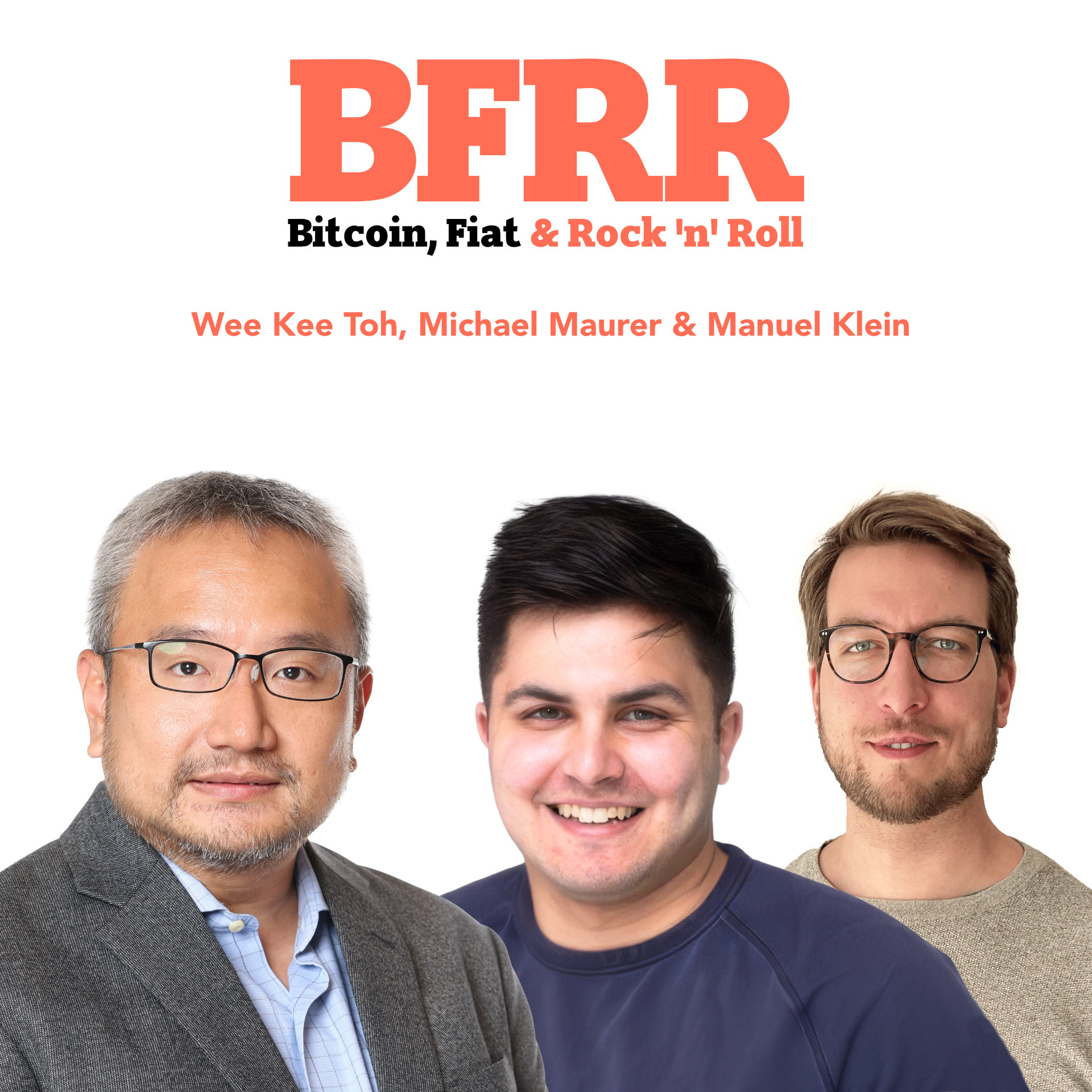
In this episode of Bitcoin, Fiat & Rock’n’Roll, Wee Kee Toh of Kinexys by J.P. Morgan and Michael Maurer of MIT’s Digital Currency Initiative examine the practical challenges of bringing regulated finance onto public blockchains. Drawing on their joint research, they explain why infrastructure built for open participation can create costly operational and compliance problems for financial institutions.
The discussion focuses on four challenges: transaction front-running, transaction omission or censorship, unsolicited tokens, and the risk of gas fees reaching sanctioned entities. These issues extend beyond familiar debates about trading profits or network performance. A pending freeze can be front-run, an urgent instruction can be delayed, and returning an unwanted token may require reviewing an unfamiliar smart contract.
What can institutions do? Toh and Maurer explore private transaction pools, encrypted mempools, heartbeat-based pause mechanisms and proposals to strengthen transaction inclusion. They explain which risks banks can mitigate themselves and where changes to protocols, governance or regulatory guidance may be needed.
The conversation also examines the trade-offs behind permissioned public networks and layer-two infrastructure. More control may help institutions manage risk, but it can alter the openness and decentralization that attract users in the first place.
For smaller banks, the decisive question may be whether participation is affordable. If every institution must build its own expensive safeguards, shared infrastructure could remain accessible mainly to the largest players.
A discussion about the requirements, responsibilities, and compromises that will shape institutional adoption of open blockchain networks.
What would make public blockchains practical for regulated financial institutions—not just technically accessible?
Topics covered:
- Front-running and MEV: why transaction ordering matters for asset freezes, emergency pauses and other institutional controls.
- Censorship and transaction inclusion: the potential role of private transaction submission, encrypted mempools and fork-choice inclusion lists (FOCIL).
- Unsolicited tokens: why token spam can create monitoring, smart-contract review and compliance burdens for banks.
- Sanctions exposure: the difficulty of controlling who receives gas fees and the limits of application-layer address checks.
- Infrastructure trade-offs: public permissioned networks, layer twos and the balance between institutional control and decentralization.
- Regulatory clarity: proposed guidance on unsolicited tokens, reasonable sanctions controls and safe-harbour provisions for unavoidable residual exposure.
The discussion distinguishes potential safeguards from complete solutions. A central question is how to make compliance manageable for a broader range of institutions, rather than only those able to commit substantial resources.
Research and guests:
- Public Blockchains and Regulated Financial Institutions
- Wee Kee Toh on LinkedIn
- Michael Maurer on LinkedIn
Bitcoin, Fiat & Rock’n’Roll Website
Bitcoin, Fiat & Rock’n’Roll Telegram Channel
---
Relai*: Buy Bitcoin with Relai—you can do a one-time purchase or savings plan: Click here. Use the referral code "ROCK" to reduce transaction fees by 0.1% while supporting Bitcoin, Fiat & Rock’n’Roll.
Value4Value Podcast Streaming: Support our podcast by listening to our episodes on the Fountain Podcast App. This way, if you wish, you can support us "Value4Value" while listening to the podcast. You can find us on the Fountain Podcast App here: Click here
Disclaimer: The content of this podcast reflects the private opinions of the hosts, serves exclusively for general information purposes and does not constitute investment advice. Always remember: Do your own research—inform yourself before making any investment decisions, such as buying Bitcoin. First try to understand what Bitcoin is and how to store it. This podcast does not provide financial advice. Note that the co-hosts might be invested in crypto assets. Read more on our website: Click here